Construction Progress Photography for Reports and Tenders
Construction Progress Photography for Reports, Tenders and Stakeholder Updates
Construction progress photography gives builders, developers and project teams a clear visual record of work as it happens. Used well, it supports monthly reports, stakeholder updates, internal briefings and future project content without relying on rushed phone photos or generic site snapshots.
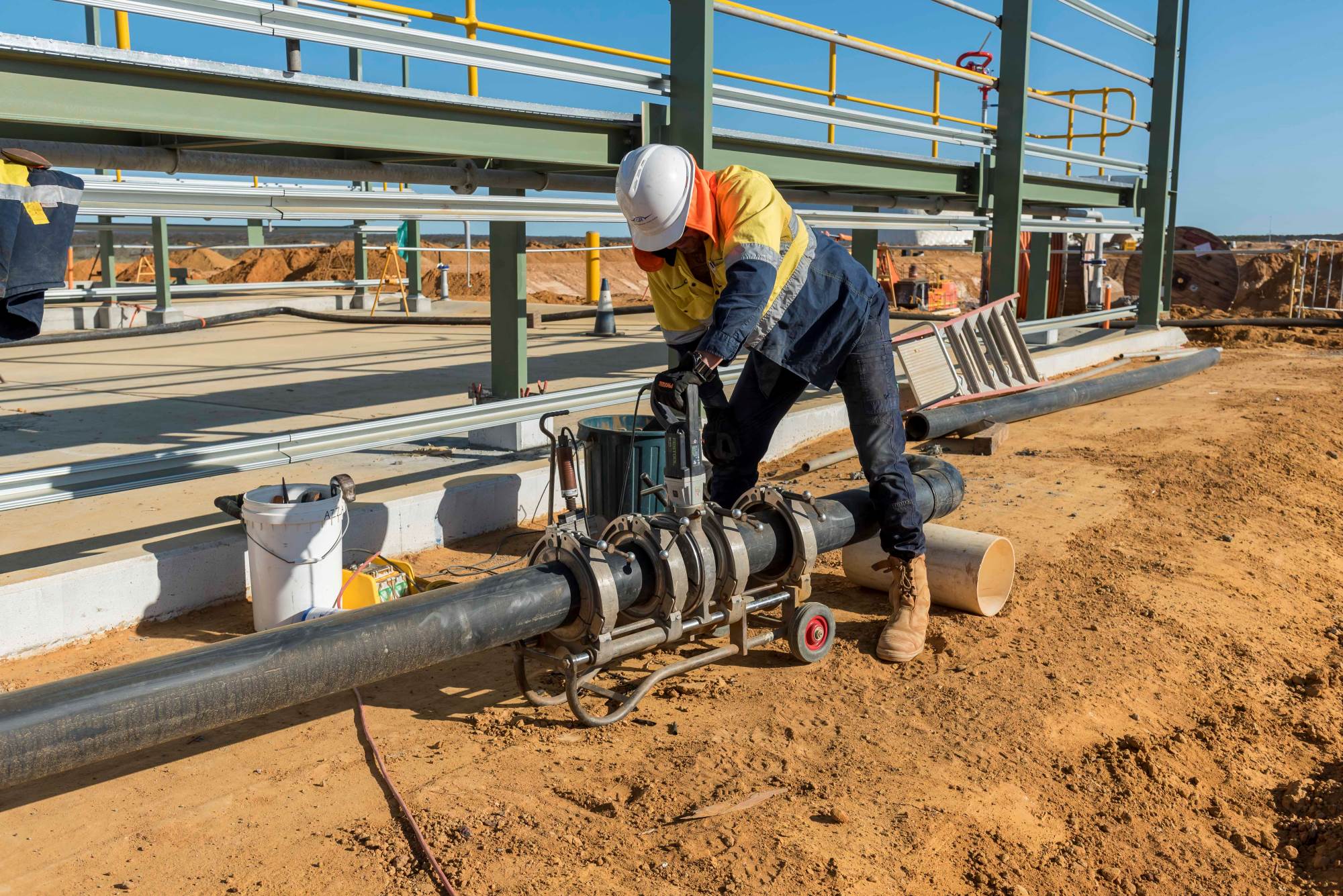
Some of the most useful project photos are not the dramatic hero shots taken at the end of the job. They are the steady, well-timed images captured while the work is still unfolding: a slab pour, a facade stage, a services installation, a public-facing milestone, a complex access condition, or a detail that helps explain why progress has moved the way it has.
When construction photography is planned properly, it gives teams a visual record they can put to work straight away. That might mean adding weight to a monthly report, briefing remote stakeholders, supporting a board update, giving a communications team usable material, or building a stronger archive for future tenders and capability statements.
The point is not simply to document that something happened. It is to capture the parts of the job that are worth showing, keep them organised, and make them easy to reuse across project communication, reporting and business development.
Why progress photography earns its keep on active projects
On a busy site, no one is asking for photography just to fill space in a presentation. They want images that answer a question, support a point, or help explain where the job stands.
A project manager may need visuals that make a monthly report more credible. A client-side contact may need current images they can circulate internally without asking half the team for another site visit. A communications manager may need progress material that explains the project clearly to people who do not work in construction every day.
This is where purposeful progress photography becomes more than documentation. It gives people something clear and current to work with while decisions, updates and reports are still being prepared.
Unlike generic site snapshots, professional progress photography can help teams:
- document milestones in a clear, date-stamped way
- give non-technical stakeholders a better view of what has changed
- support monthly reporting with images that match the actual work packages
- build a stronger visual archive for later tenders, awards and capability statements
- communicate progress without over-explaining every detail in writing
What makes a project photo useful after the shoot
This is usually the difference between imagery that gets reused for years and imagery that disappears into a folder.
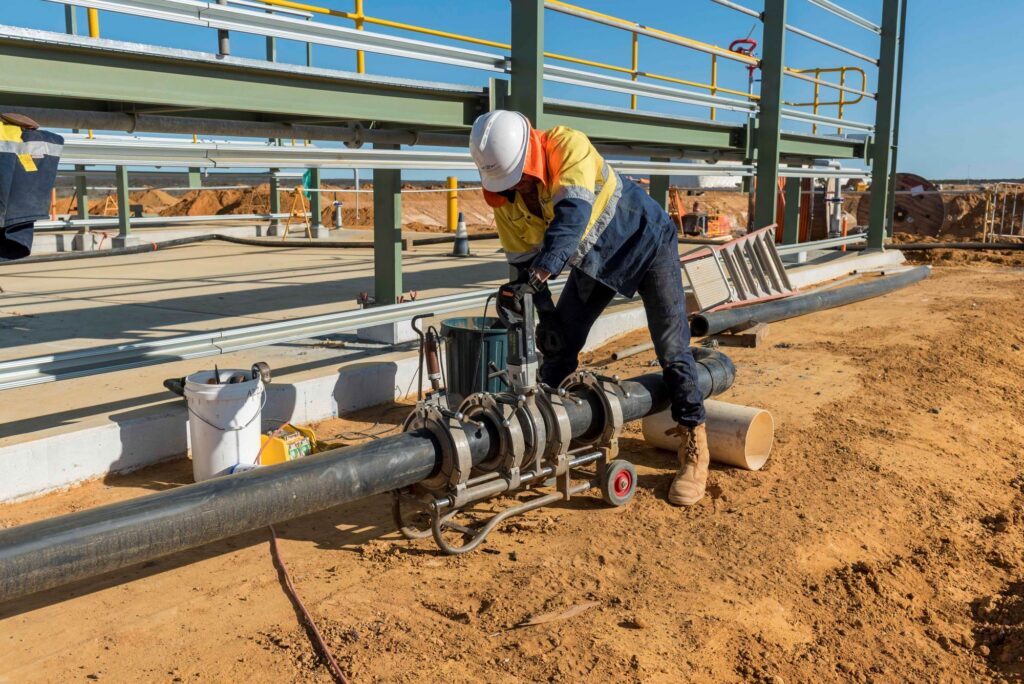
A useful construction photo does not just look good. It has a job to do. It needs to be clear, well-timed, high resolution and easy to understand outside the immediate context of the day it was taken.
That means thinking beyond the shoot itself. Before any image is captured, it helps to know:
- who will use the images
- whether they are for reporting, stakeholder communication, tenders or marketing
- which milestones, stages or work packages matter most
- whether wide views, detail shots, people on site, access conditions or all of those are needed
- how the images will sit alongside time-lapse, drone or video assets
The strongest progress images usually do one thing very well: they make the job easier to understand. They show scale, sequence, workmanship, access, interfaces or visible change clearly enough that the viewer does not need a long explanation beside them.
Progress photography is different from a quick site snapshot
There is nothing wrong with quick phone photos for internal notes. Site teams need them. They are useful for immediate context, quick checks and day-to-day coordination.
But a phone photo taken in a hurry is rarely the best asset for a client report, board update, public communication or project archive. It may not show scale. It may miss the surrounding context. It may be too low resolution, poorly framed or hard for someone outside the project team to interpret.
Professional progress photography is briefed with the audience and output in mind. It captures the work in a way that still makes sense later, whether the image is used in a report, a stakeholder presentation, a media update, a tender response or a final project story.
For Sitevisuals, that fits into a broader project visibility approach. The same project may use professional ground photography, aerial and drone photography, time-lapse monitoring and video production at different stages. Each format has a role; the useful part is planning them so they support each other rather than creating disconnected folders of images.
Where photography fits in the broader visual mix
Photography is rarely the only visual format a project uses, but it often ends up being the most immediately reusable one.
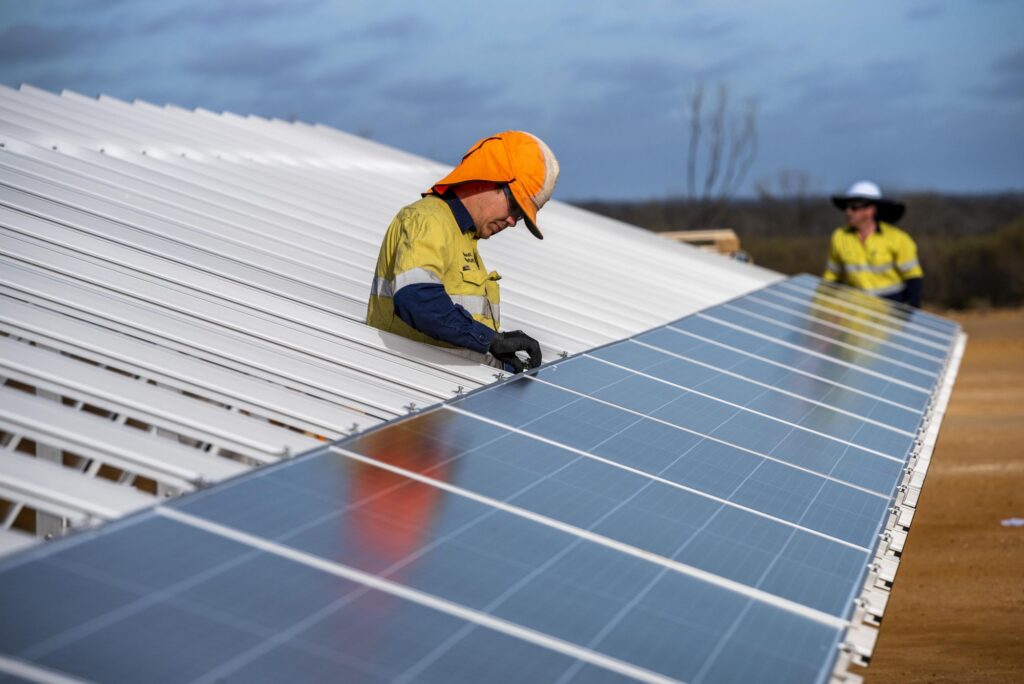
Time-lapse monitoring gives continuity across the life of a build. Drone photography shows the footprint, surrounding context and site layout. Ground photography captures the milestone, the detail, the people, the workmanship and the proof point that can drop straight into reports, tenders, media releases, capability statements and client updates.
In practical terms:
- Time-lapse shows the journey over time.
- Drone imagery shows the wider site context.
- Ground photography shows the milestone, detail and human-scale proof point.
That is why many projects benefit from a combined approach. A monthly update might include a handful of professional ground photographs, a drone overview and selected frames from a cloud-based time-lapse portal. Each format plays a different part, but photography often becomes the anchor asset because it is easy to circulate, brief from and reuse.
How project teams use progress images
Progress photography is most valuable when it serves more than one audience. The same image set might support a monthly report now, a stakeholder update next week and a capability statement long after the job is complete.
Monthly and board reporting
Well-composed site photography helps reports feel specific. Instead of relying only on written commentary, teams can show completed works, interface points, access conditions, structural progress, finishes, services installation or key project stages in a way that gives decision-makers more confidence.
Stakeholder communication
Not every stakeholder can attend site regularly, and not every update needs to become a meeting. Clear project images can help client teams, board members, funding bodies, communications staff and internal stakeholders understand what has changed without adding more friction to the process.
Tender and capability material
Bid teams often need more than polished finished shots. They need evidence that a contractor or delivery team has worked on complex sites, managed difficult conditions and delivered real outcomes. Progress photography can support that, especially when images have been captured consistently and filed with enough context to be useful later.
Future marketing, awards and case studies
When milestone moments are captured well during the project, the archive is already there when it is time to prepare a case study, awards submission or finished project story. That includes broad progress views, detailed construction moments, people on site and images that show the project taking shape over time.
What to brief before a construction photography shoot
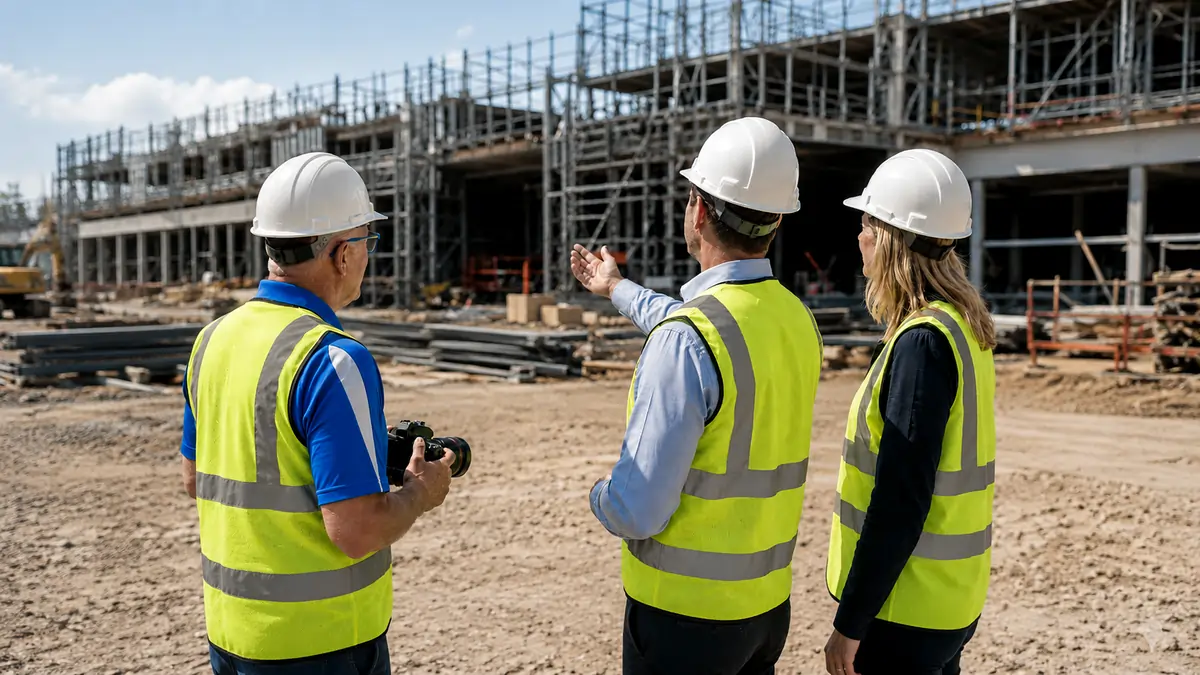
Good project photography starts with a good brief. That does not need to mean a long or formal document. It just means being clear about what the imagery needs to achieve.
Before the shoot, it helps to answer a few practical questions:
- What is the main purpose of the imagery?
- Which milestones, packages or areas matter most?
- Who needs to understand the images after the shoot?
- Are there live-site, safety, induction or access requirements that affect timing?
- Do the images need to support reports, stakeholder updates, tenders or all of those?
- Will the visuals need to sit alongside time-lapse, drone or video assets later?
That planning step is what turns a standard site shoot into a more valuable project asset. It helps make sure the final images are not only well captured, but fit for the way the project team will actually use them.
Why Sitevisuals treats photography as part of project visibility
At Sitevisuals, photography is not treated as a stand-alone creative add-on. It is part of a broader project visibility approach that recognises how construction teams work, what client-side stakeholders need to see, and how useful project assets are built over time rather than in one final burst at completion.
That approach matters across commercial construction, civil infrastructure, education, healthcare, resources, ports and other project sectors where progress needs to be communicated clearly to people who may not be on site every week.
It also matters when the final output needs to be practical. Sitevisuals can support projects with professional photography, commercial photography services, time-lapse monitoring, aerial capture and in-house video production so the visual record is useful during the job and after practical completion.
Often, the most valuable project image is not the most polished or dramatic one. It is the one that helps a team explain progress clearly, prove experience credibly, or back up a stakeholder update with something more convincing than words alone.